Shopping & Prep
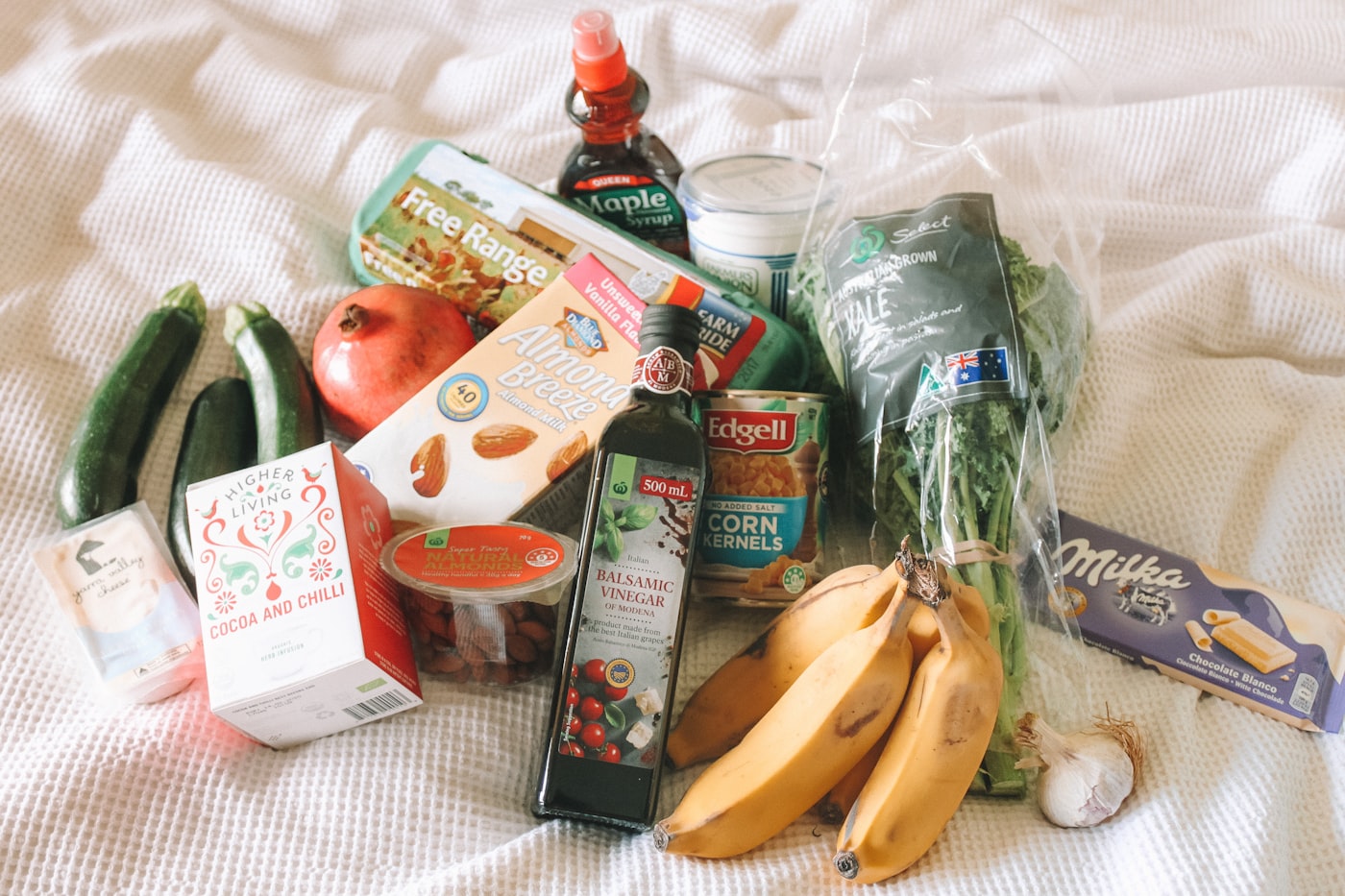
We've all done it. You buy a bag of spinach with the best intentions, and a week later it's a slimy green puddle at the back of the fridge. Add in the half a lemon, the yoghurt two days past its date, and the sauce jar nobody can identify anymore, and you've basically described the average fridge on a Sunday night.
It adds up to real money, too. WRAP, the UK's Waste and Resources Action Programme, estimates that UK households throw away around 4.4 million tonnes of edible food every year, worth roughly £17.5 billion. For an average household of four, that works out to about £1,000 a year, quietly rotting in the crisper drawer.
The fix isn't a spreadsheet or a rigid meal-prep routine. It's a five-minute habit we call the Pantry Reset, and it works because it starts from what's already in your kitchen instead of a fresh, expensive shopping list. Curious what that adds up to for your own household? Try our food waste calculator.
I built FoodieFlow's pantry tools after realising I was exactly the person those WRAP stats were describing: a fridge held together by good intentions and a steadily growing collection of forgotten yoghurts.
Here's the short version, if you want to skip straight to it:
Open the fridge, the freezer, and the pantry, and give each one a genuine 60-second look. Not a deep clean, just a scan. You're looking for three things: what's about to go off, what you'd completely forgotten you own, and what's been sitting untouched for weeks.
It helps to know the difference between date labels while you're doing this. A "use by" date is about food safety and shouldn't be pushed. A "best before" date is about quality, so a yoghurt a day past its best before is very likely still fine. A tomato turning soft isn't a label question at all, it's just a sign to cook it today.
Whatever you find in that 60 seconds becomes your "use-first" list for the week.
This is the step most people skip, and it's the one that actually saves the food. Once you know what needs using up, type it into a pantry-aware meal planning app instead of just staring at it hoping for inspiration.
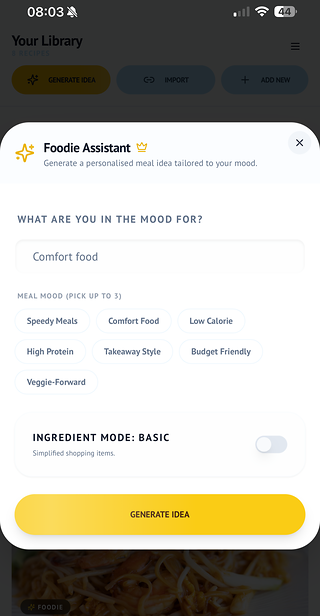
Add your wilting spinach, that half tin of chickpeas, and the chicken thighs you forgot about to FoodieFlow's Pantry tab, and Foodie Assistant suggests meals built around using those ingredients up, not just recipes that happen to avoid them. That's the real difference between an app that ignores your fridge and one that actually reads it.
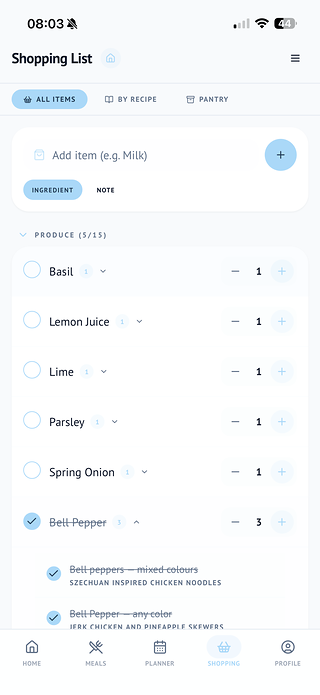
Once you've picked a few meals, the next step is the shopping list, and this is where most meal planners quietly let you down. A generic list just adds up every ingredient in every recipe, including the onion you already have three of.
FoodieFlow's pantry auto-exclusion checks new ingredients against what's already logged in your pantry and leaves anything you own off the list automatically, then sorts what's left by aisle so the shop itself is faster too. On the paid tier, Foodie Assistant also tidies up the item names and aisle placement, so you're not stuck reading "tinned chopped tomatoes, 400g, Italian style" when "tinned tomatoes" would do.
Most mainstream meal planning apps solve half the problem. They'll help you pick recipes, or they'll help you build a list, but they rarely check either one against what's actually sitting in your kitchen. That's how you end up with a beautifully organised shopping list that still has you buying garlic you already own.
FoodieFlow was built by one person trying to fix exactly that, not a large team shipping features to justify a subscription. The interface stays deliberately simple, with no banner ads cluttering the screen, and it's free to start: a generous weekly cap on Foodie-generated meal plans, with the option to watch a short ad for one extra generation or start a short trial if you want to remove the cap altogether.
If you've already worked out which app fits your household best, our full comparison of FoodieFlow, Mealime, Paprika 3, Plan to Eat, and AnyList covers the rest of the feature set beyond the pantry.
It's a meal planner that checks new recipes and shopping lists against what you've told it you already own, rather than building a list from scratch. FoodieFlow does this by letting you log a simple pantry, then using Foodie Assistant to suggest meals and auto-exclude duplicate items from your shopping list.
Skip the spreadsheet and do a 60-second visual scan of your fridge and pantry once a week instead. Note whatever's closest to going off, then build one or two meals around it before you shop for anything new. A pantry-aware app can handle the meal-matching part for you.
FoodieFlow is free to start, including pantry-aware suggestions and an auto-excluding, aisle-sorted shopping list. The free tier has a generous weekly cap on Foodie-generated meal plans, which you can extend by watching a short ad or lift with a paid plan.
Not a separate one. FoodieFlow's Pantry tab works as a simple fridge and cupboard inventory: you log what you have, and Foodie Assistant factors that into meal suggestions and your shopping list automatically.
Grab five minutes, do the shelf scan, and let FoodieFlow handle the rest. It's free to start, and you don't need to overhaul how you shop overnight to see the difference.
Free to download. No card required.