Recipes & Zero-Waste
You open the fridge and there it is again: half a tub of rice, two sad slices of roast chicken, a heel of bread that's gone a bit hard, and a handful of veg that's not far off the compost bin. None of it looks like "a meal" on its own, so it sits there for another day. Then another. Then it's bin day.
Sound familiar? You're not alone. WRAP, the UK's Waste and Resources Action Programme, estimates that UK households throw away around 4.4 million tonnes of edible food every year, worth roughly £17.5 billion. For an average household of four, that works out to about £1,000 a year, just tossed out. Most of that isn't spoiled food. It's good food that nobody had a plan for.
This guide is that plan. Below you'll find genuinely useful, safe, and honestly quite tasty ideas for the leftovers that pile up in every kitchen: rice, roast chicken, mashed potato, pasta, tired veg, stale bread, and those odd cheese ends nobody wants to bin. We'll also cover the food safety rules that actually matter, because "just heat it up" isn't the whole story.
And if you're tired of googling "what to cook with leftover chicken" every other Tuesday, stick around for the last section. That's where FoodieFlow comes in. Curious what your own leftovers are costing you? Try our food waste calculator.
UK households throw away around 4.4 million tonnes of edible food every year, worth roughly £17.5 billion nationally. Spread across an average household of four, that works out to about £1,000 a year, quietly rotting in the fridge.
Source: UK Waste and Resources Action Programme (WRAP) household food waste estimates.
Before the fun part, a quick but important detour. Most food poisoning from leftovers isn't bad luck. It comes down to two mistakes that are easy to avoid once you know about them.
Bacteria multiply fastest in what food safety folks call the "danger zone," roughly between 8°C and 63°C. The UK Food Standards Agency recommends cooling cooked food and getting it into the fridge within two hours of cooking. Rice is even more time-sensitive: chill it within an hour if you can. Splitting a big batch into smaller, shallow containers helps it cool faster, so don't just shove the whole pot in as one solid block.
When you do reheat leftovers, they need to be steaming hot all the way through, not just warm on the outside. FSA home guidance points to around 70°C for two minutes at the core (commercial kitchens in Scotland work to a stricter 82°C). Stir food partway through if you're using a microwave, since microwaves heat unevenly and can leave cold spots where bacteria survive. Once something's been reheated, don't reheat what's left again. Eat it or bin it.
As a general rule, most cooked leftovers keep for about two days in a fridge running at 5°C or below. If you know you won't get to something in time, freeze it instead of hoping for the best. Freezing doesn't kill bacteria, but it stops it multiplying, which genuinely buys you weeks instead of days.
Cold, leftover rice is honestly better for frying than rice you've just cooked. The grains dry out a little and separate instead of turning gluey. A few ways to use it up:
Safety note: chill rice fast, ideally within the hour, and only reheat it once. Rice left out at room temperature can carry a bacteria called Bacillus cereus, and reheating won't necessarily deal with it. When in doubt, bin it.
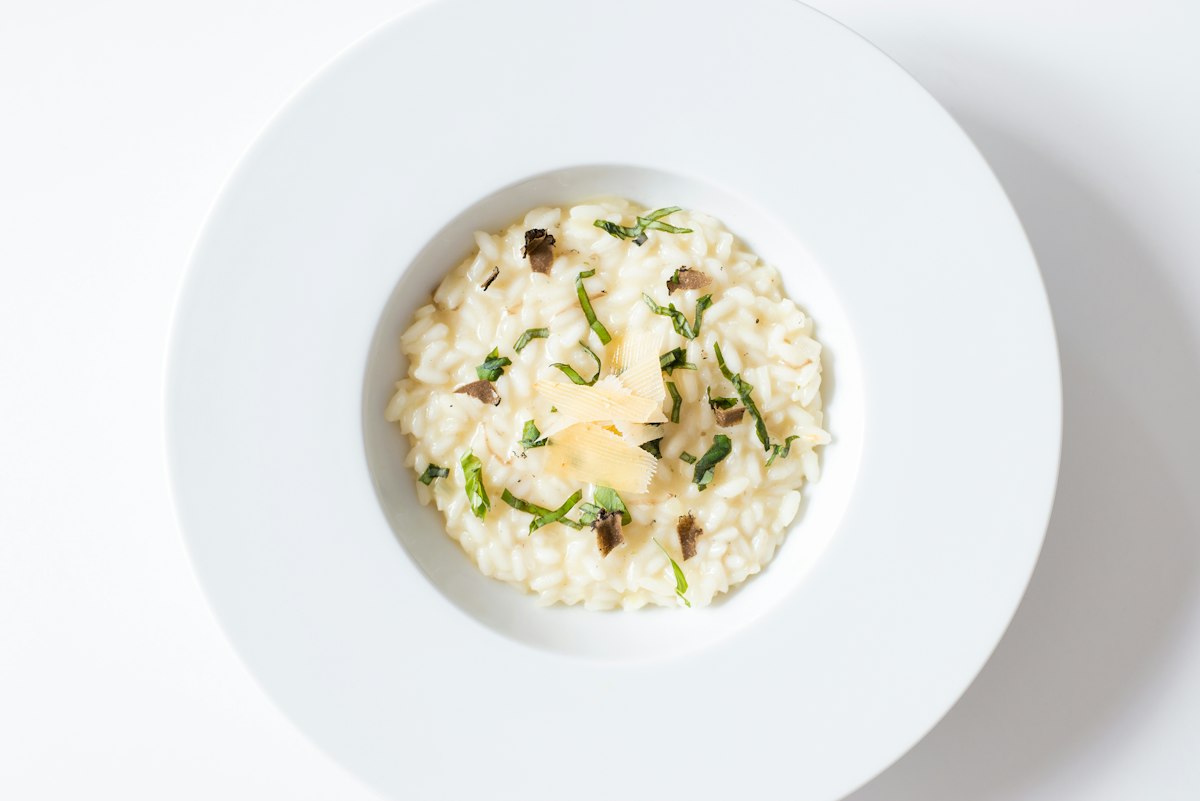
A ten-minute rice pudding is one of the easiest ways to use up leftover rice.
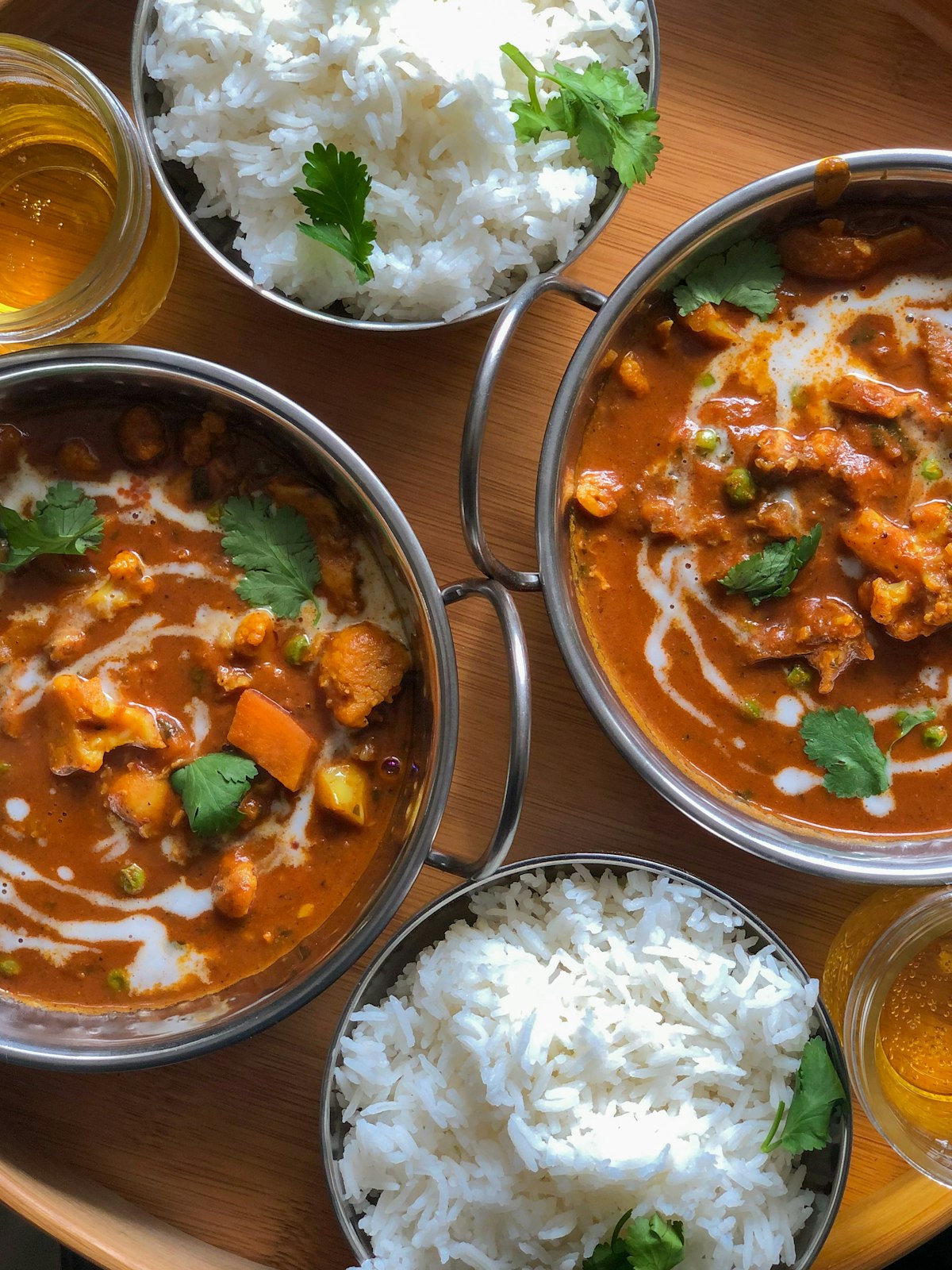
Shredded roast chicken stirred through a simple curry base, right at the end so it stays juicy.
This is the one people struggle with most, because it's rarely just one vegetable. The trick is to stop treating veg as single ingredients and start treating it as a category.
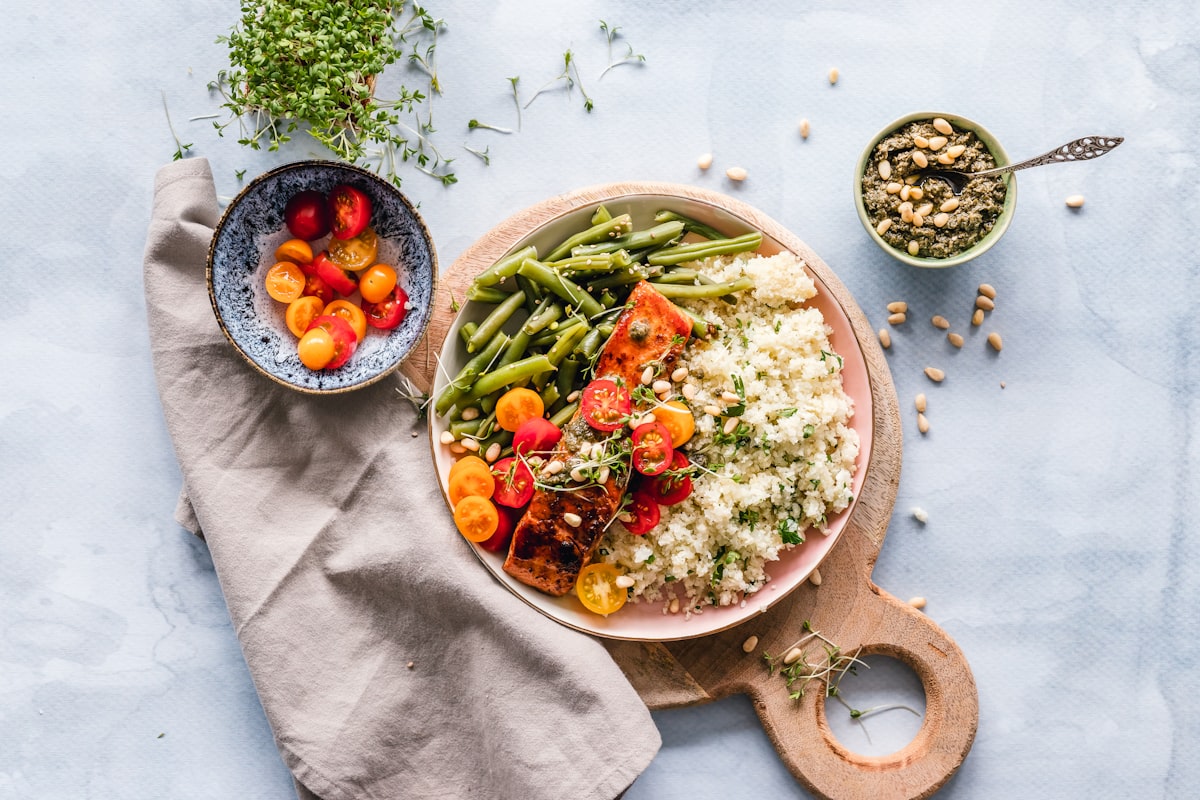
Whatever veg is closest to going off becomes the base of the bowl.
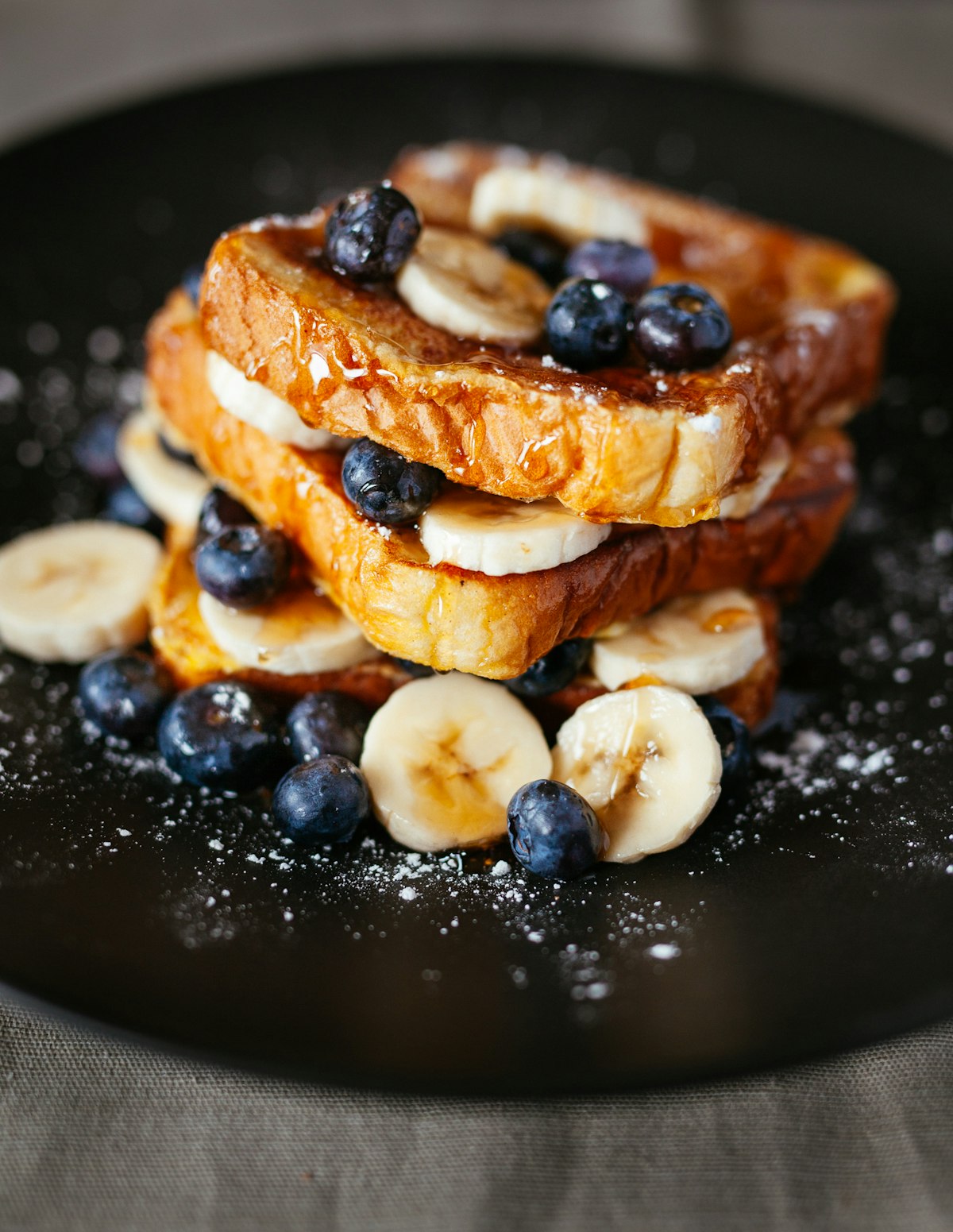
Stale bread makes better French toast than fresh, since it soaks up the custard without falling apart.
Freezing is a genuinely good habit to build, not just a last resort. A few notes worth knowing:
Doing it properly: portion food before freezing rather than as one giant block, and label it with the date. Defrost in the fridge, not on the counter, and once defrosted use it within 24 hours, reheating only once.
Frozen food doesn't go "off" the way fresh food does, since freezing pauses bacterial growth rather than killing it, but quality does drop over time. As a rough guide, most cooked meals taste best used within two to three months, even though they'd technically still be safe well beyond that.
Pick whatever you've really got lying around and see what Foodie Assistant reckons you should make with it.
If you're cooking on a student budget, the same zero-waste thinking is doing even more work. Our 25 cheap student meals guide has a whole section of end-of-week pantry meals built from tins and whatever's left in the crisper drawer, and how to eat well at uni on £25 a week covers the shop that feeds them.
How FoodieFlow Helps
Reading a list like this is one thing. Remembering any of it at 6pm on a Tuesday, staring into a fridge, is another. That's the real problem with leftovers: it's rarely a lack of ideas, it's a lack of a system. That's what FoodieFlow is built for.
FoodieFlow is live now on Google Play and the App Store.
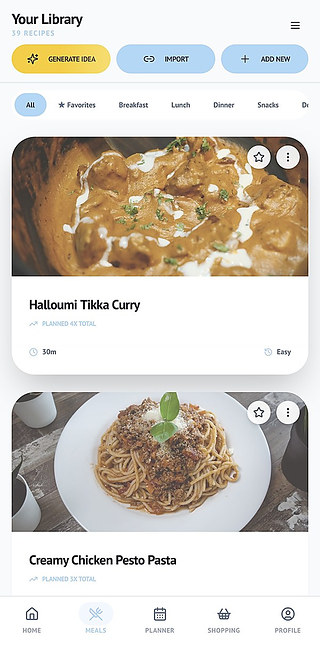
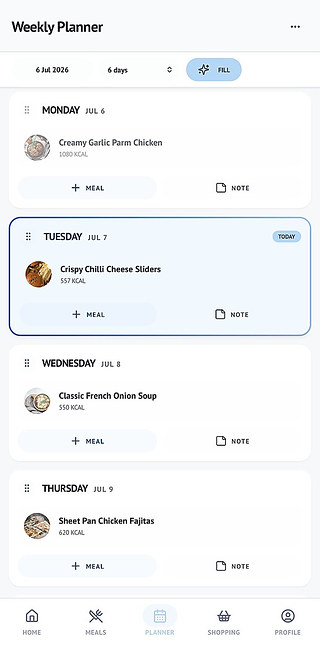
Most cooked leftovers are good for about two days when stored at 5°C or below. Rice is more sensitive and best eaten within a day.
It's best not to. Every time food cools and reheats, bacteria get another chance to multiply. Reheat once, and finish what you've reheated rather than saving it again for later.
Generally yes, as long as they were cooked and cooled properly in the first place. It's specifically reheating that needs to bring food back up to steaming hot throughout, not eating it cold.
Yes. Cool it quickly, portion it, and freeze. Defrost in the fridge and reheat until steaming hot, only once.
Anything left out at room temperature for more than two hours, anything with visible mould (unless it's a food where that's normal, like a hard cheese rind), or anything that smells or looks off. When in doubt, bin it. It's not worth the risk.
This guide covers general food safety information based on UK Food Standards Agency guidance. It isn't a substitute for official food safety advice, especially for anyone pregnant, elderly, or immunocompromised.
Save the recipes you actually want to cook, plan your week around what you've got, and let FoodieFlow handle the rest. Free to start.
Free to download. No card required.