Features How it works Pricing Compare Blog Download the App

Recipes & Student Life

25 Cheap Student Meals That Actually Taste Good

Published September 14, 2026 · By Arthur, Founder of FoodieFlow · ~16 min read

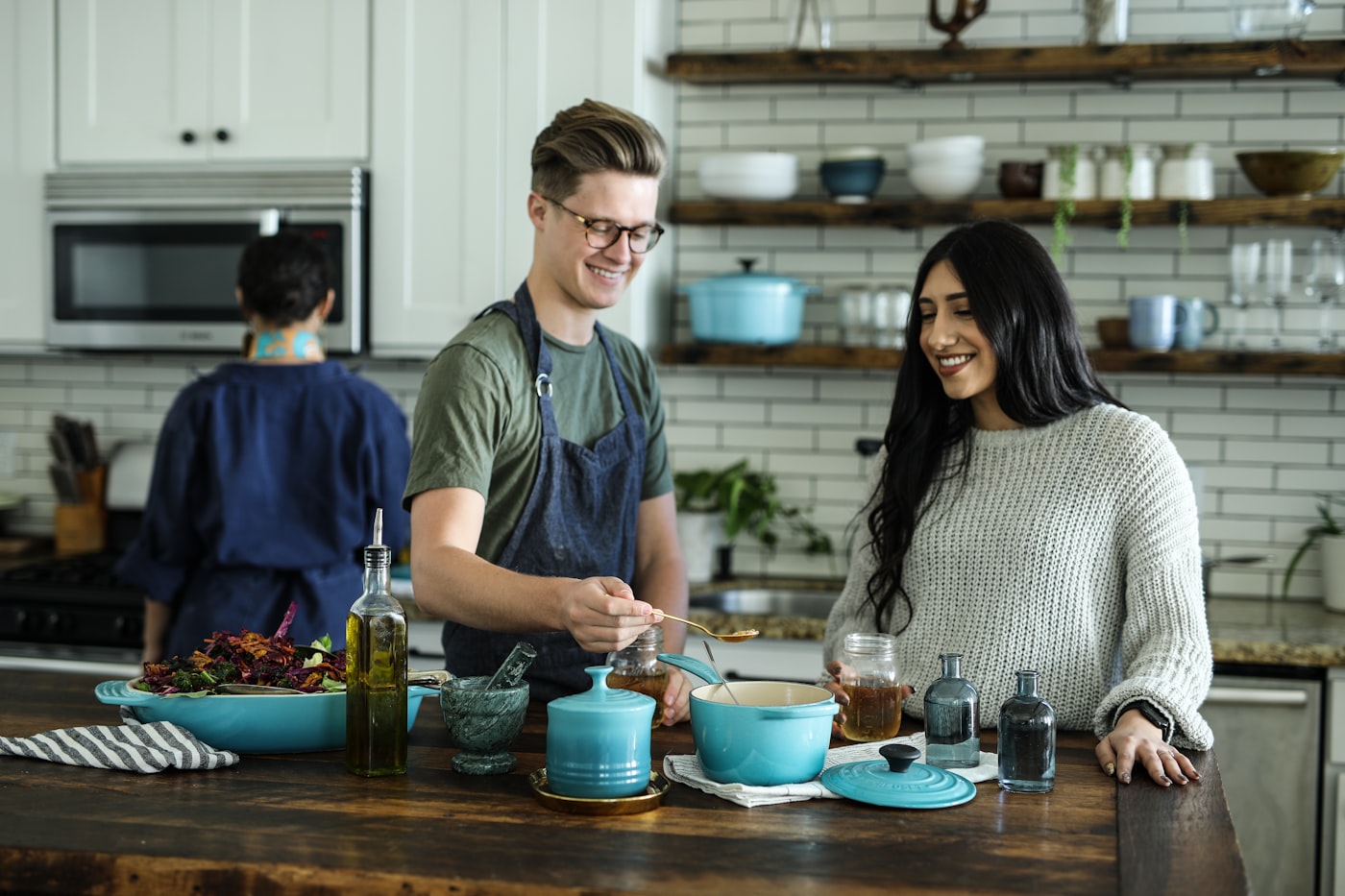
Three housemates cooking together in a shared kitchen, one stirring a pot at the counter

There is a specific week in first year where it all catches up with you. The food your parents sent you off with has run out, you have eaten pasta with grated cheese four nights running, and you have just worked out that the meal deal habit is costing you twenty quid a week. Then somebody suggests a takeaway and you say yes, because deciding what to cook feels like more effort than the cooking itself.

I have been there. I am a fourth-year engineering student and I built FoodieFlow because my partner and I kept having the same argument about dinner every single evening. So this is not a list written by someone with a test kitchen. It is 25 meals that work in a shared kitchen with one decent pan, a budget that has to last until the next loan instalment, and about twenty minutes of attention.

This is more common than anyone admits

A cross-national review of studies found that food insecurity affects a weighted mean of 44% of higher education students worldwide. Research in the UK links it directly to reliance on student loans, difficulty covering utility bills and rising rent, and separate studies show the knock-on effect runs through anxiety and low mood into grades.

Sources: systematic review, PubMed; UK student food insecurity study; psychosocial mediation study, MDPI.

I am not putting that there to be grim about it. I am putting it there because if money and food are stressing you out right now, you are in the majority, and the fix is a lot less dramatic than it feels. It is mostly a dozen ingredients and a handful of meals you can make without thinking.

Buy these twelve things and you can cook anything below

Almost every recipe on this page is built from the same small set of staples. Get these in on your first shop and you are never more than fifteen minutes from a real meal.

That is roughly a £25 first shop at Aldi or Lidl, and it covers most of a week. If you want the full breakdown of which supermarket actually works out cheapest and what a £25 week looks like in practice, that is in the student food budget guide.

How to read the cards

Every recipe below has the same card: time, servings, rough cost per portion, and the macros. A few notes on what those mean, so nothing here is vaguer than it needs to be.

The recipes are grouped five ways: breakfasts, portable lunches, batch dinners, Friday fakeaways, and the end-of-week pantry meals for when the fridge is empty and payday is tomorrow. If you would rather go straight to something specific, the finder below will narrow all 25 down by meal, time, cost or ingredient.

Breakfasts · Recipes 1-5

Breakfasts that actually hold until lunch

The 9am lecture problem is really a blood sugar problem. Sugary cereal spikes you and drops you by half ten. These five all lean on oats, eggs or slow carbs, and four of the five can be made the night before.

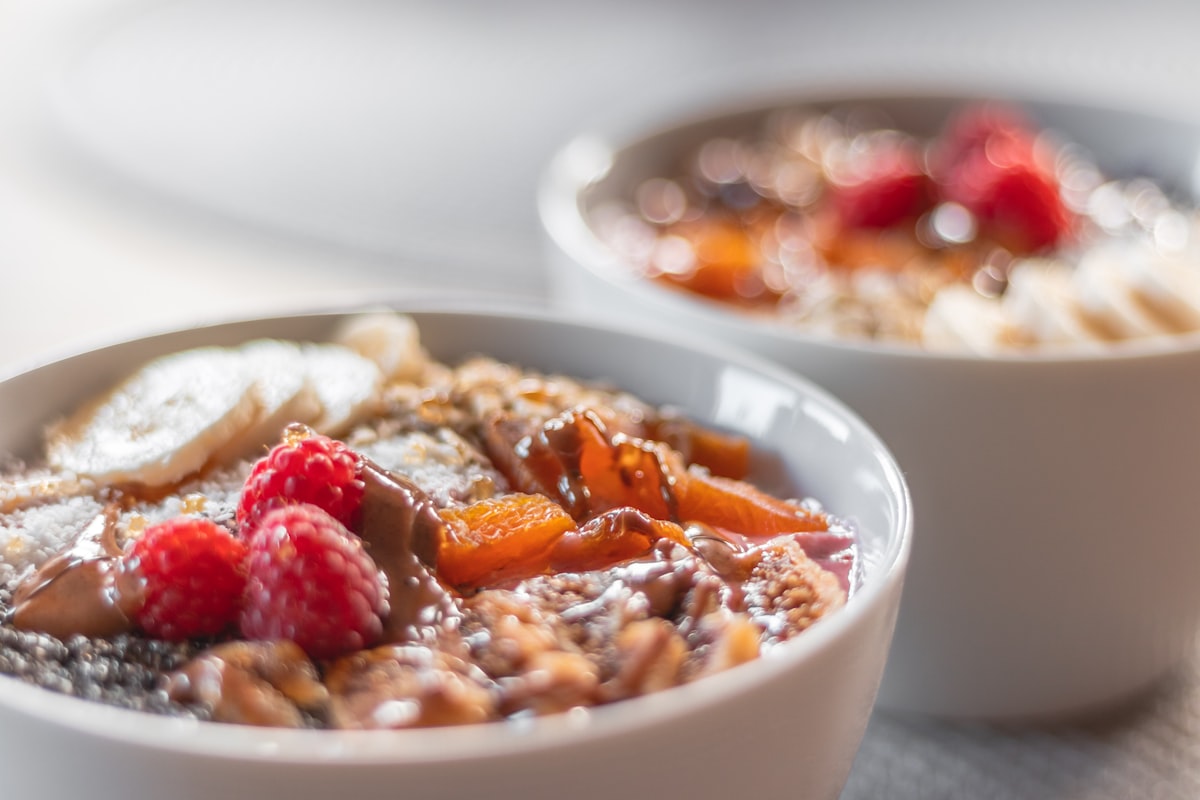
A bowl of oats topped with raspberries, sliced banana and chia seeds

Recipe 1 · BREAKFAST

Overnight Chia & Berry Oats

Five minutes the night before and breakfast is waiting for you. The oats and chia soak overnight, so there is nothing to cook and nothing to think about at 8am.

  • Time5 min
  • Serves1
  • CostUltra-low
  • Calories340
  • Protein12g
  • Carbs45g
  • Fat10g

Ingredients

Rolled oats (own brand is fine)
50g
Milk or fortified plant milk
150ml
Chia seeds
1 tbsp
Frozen mixed berries
75g
Honey or agave (optional)
1 tsp

Method

  1. Tip the oats, chia seeds and milk into a jar or any container with a lid.
  2. Seal it and shake it properly. This matters more than it sounds: chia clumps if you just stir it, and nobody wants a gelatinous lump at the bottom.
  3. Scatter the frozen berries over the top. Don't stir them in.
  4. Fridge overnight. The oats and chia drink the milk, the berries thaw and bleed their juice down through the jar, and you wake up to something that looks like it cost £4 in a coffee shop.

Why it works. Oats and chia are both packed with soluble fibre, which slows how fast the carbs hit your bloodstream. That is the whole trick: no 10am crash. The frozen berries are the cheapest vitamin C you can buy and they count towards your five a day.
Recipe 2 · BREAKFAST

Spinach & Tomato Frittata Muffins

Bake a tray on Sunday, eat breakfast all week. Six muffins, roughly 30p each, and they are just as good cold from the fridge.

  • Time25 min
  • Serves6 muffins (3 breakfasts)
  • CostLow
  • Calories per 2 muffins210
  • Protein16g
  • Carbs4g
  • Fat14g

Ingredients

Large eggs
6
Milk
50ml
Cherry tomatoes, quartered
100g
Frozen spinach, thawed and squeezed dry
50g
Cheddar, grated
30g

Method

  1. Heat the oven to 180C and grease a six-hole muffin tin properly. Properly. These weld themselves to a dry tin.
  2. Whisk the eggs with the milk until there are bubbles on top, then season well with salt and pepper. The air is what stops them coming out rubbery.
  3. Squeeze every drop of water out of the thawed spinach, then divide it and the tomatoes between the holes.
  4. Pour the egg over until each hole is about three quarters full. They puff up, so leave the room.
  5. Scatter the cheddar on top and bake for 15 to 18 minutes, until they are set in the middle and golden on top.
  6. Cool, then keep them in a tub in the fridge for up to three days.

Why it works. Eggs are one of the few genuinely cheap complete proteins, and they bring B12 and choline with them. Baking them into muffins is what makes this work on a weekday: portioned, portable, no pan to wash at 8am.

Recipe 3 · BREAKFAST

Peanut Butter & Banana Smoothie

For mornings where you have already snoozed twice. Blender, cup, out the door in five minutes.

  • Time5 min
  • Serves1
  • CostLow
  • Calories380
  • Protein14g
  • Carbs42g
  • Fat18g

Ingredients

Ripe banana, frozen in chunks
1
Smooth peanut butter
2 tbsp
Milk or fortified plant milk
250ml
Rolled oats
1 tbsp

Method

  1. Freeze the banana in chunks whenever you notice one going brown. This is the only bit of planning required, and it means you never need ice, which just waters the whole thing down.
  2. Everything in the blender. Banana, peanut butter, oats, milk.
  3. Blast it on high for about a minute, until the oats have disappeared and it is properly smooth rather than gritty.
  4. Too thick to drink through the lid of a travel cup? Splash more milk in and pulse once.

Why it works. The oats and peanut butter are doing the real work here. On its own a banana smoothie is basically juice and you will be starving by ten. Add fat and fibre and it holds you to lunch.

Recipe 4 · BREAKFAST

Beans and Eggs on Wholemeal Toast

The one everyone already knows, done properly. About 22g of protein for well under a pound.

  • Time10 min
  • Serves1
  • CostUltra-low
  • Calories420
  • Protein22g
  • Carbs48g
  • Fat14g

Ingredients

Wholemeal bread
2 slices
Large eggs
2
Baked beans (half a tin)
200g
Butter or spread
1 tsp
Milk
Splash

Method

  1. Beans into a small pan on a low heat. Stir them now and again, because the sugars catch and burn on the bottom faster than you would expect.
  2. Crack the eggs into a bowl with a splash of milk and beat them lightly. Don't overdo it.
  3. Melt the butter in a non-stick pan on a medium-low heat, pour the eggs in, and leave them alone for a few seconds at a time, pushing them into folds rather than stirring constantly.
  4. Pull them off the heat while they still look slightly underdone. They carry on cooking in the pan.
  5. Toast, beans, eggs, plenty of black pepper.

Why it works. Baked beans are quietly one of the best value foods in the shop: protein and fibre in the same tin. Eating them with eggs also helps your body absorb the iron in the beans, which is a real and slightly annoying thing about plant iron.

Recipe 5 · BREAKFAST

Apple & Cinnamon Porridge

Eight minutes, one pan, and roughly 20p. The cheapest hot breakfast on this list.

  • Time8 min
  • Serves1
  • CostUltra-low
  • Calories290
  • Protein9g
  • Carbs52g
  • Fat5g

Ingredients

Rolled oats
50g
Water or milk
300ml
Small apple, cored and diced, skin on
1
Ground cinnamon
½ tsp
Salt
Pinch

Method

  1. Oats, liquid and a genuine pinch of salt into a pan. Do not skip the salt. It does not make it salty, it makes it taste sweeter.
  2. Bring it to a gentle simmer on a medium heat.
  3. Once it starts to thicken, stir in the diced apple and the cinnamon.
  4. Keep stirring for five to seven minutes. The stirring is the whole technique: it drags the starch out of the oats and is the difference between creamy porridge and wet oats in a bowl.

Why it works. Oats are about the cheapest source of soluble fibre in any UK supermarket. Leave the apple skin on and you get the insoluble fibre too, plus you save yourself a job.

Lunches · Recipes 6-10

Lunches you can carry, made in 15 minutes

Campus food is where budgets quietly die. A meal deal five days a week is about £20, which is most of a week's shop. Everything here fits in a tub or a flask and survives a morning in a backpack.

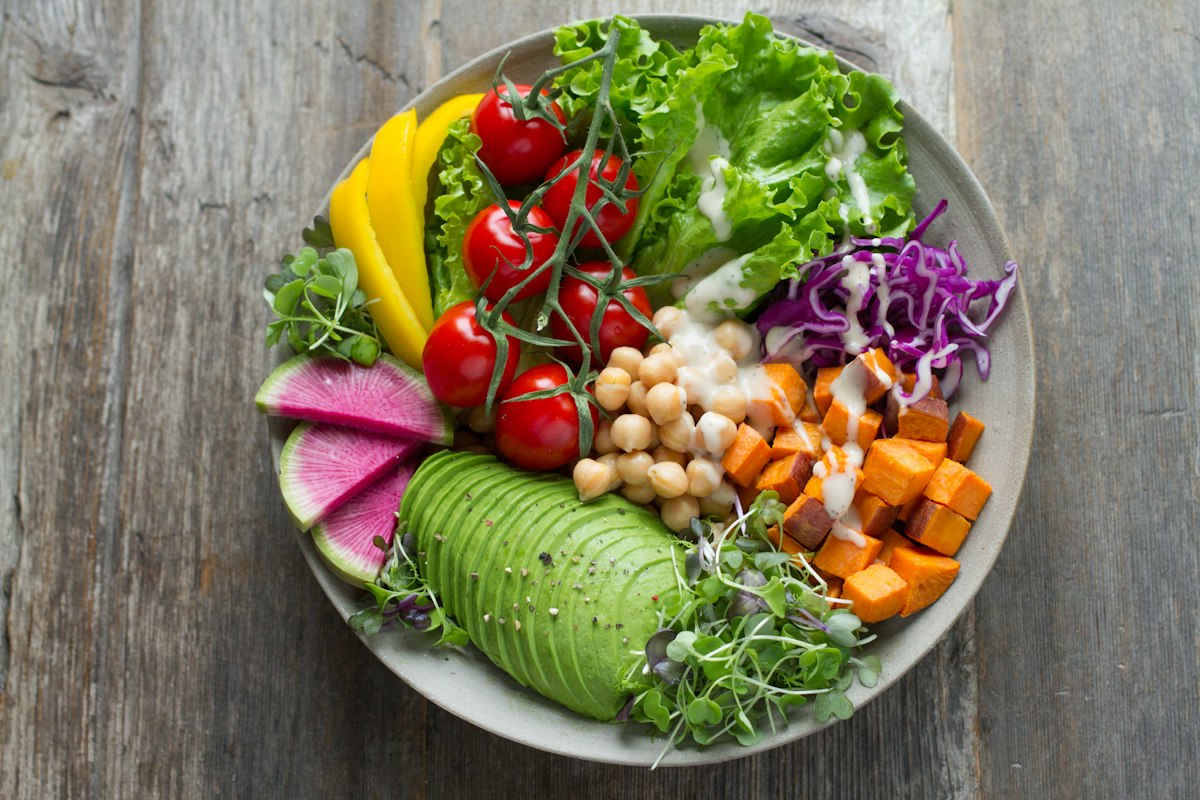
An overhead bowl of salad leaves, chickpeas, tomatoes, avocado and roast sweet potato

Recipe 6 · LUNCH

Spiced Red Lentil Soup

Roughly 40p a portion and it makes four. Goes in a flask, survives a backpack, and tastes better on day two.

  • Time30 min
  • Serves4
  • Cost~40p a portion
  • Calories per serving240
  • Protein14g
  • Carbs40g
  • Fat2g

Ingredients

Dried red lentils
170g
Carrots, peeled and diced
4
Onion, finely chopped
1
Vegetable stock
1.2 litres
Ground cumin
1 tsp
Olive oil
1 tbsp

Method

  1. Soften the onion and carrot in the oil in a big pot for about five minutes, until they start to colour at the edges.
  2. Add the cumin and stir it around in the oil for a full sixty seconds. This step looks pointless and is not: heat releases the aromatic oils in the spice and the difference in the finished soup is obvious.
  3. In go the lentils and the stock. Bring it to a boil, then drop it straight down to a simmer.
  4. Lid on, twenty minutes. The lentils collapse completely and thicken the soup on their own, so there is no blending unless you want it perfectly smooth.
  5. Season, cool it quickly, and portion it into four containers.

Why it works. Red lentils are the single best value protein in the shop and they bring iron with them. This is the recipe that makes the whole batch-cooking idea click for most people, because it is almost impossible to get wrong.

Recipe 7 · LUNCH

Tuna, Sweetcorn & Wholewheat Pasta

The packed lunch that does not go claggy by midday, as long as you do the cold water step.

  • Time15 min
  • Serves1
  • CostLow
  • Calories380
  • Protein24g
  • Carbs55g
  • Fat6g

Ingredients

Wholewheat pasta (penne or fusilli)
75g
Tinned tuna in spring water, drained
145g
Tinned sweetcorn, drained
3 tbsp
Light mayo or plain yoghurt
1 tbsp
Lemon juice and black pepper
To taste

Method

  1. Boil the pasta in well salted water until al dente.
  2. Drain it and run it under cold water straight away. This is the bit people skip. It stops the cooking and washes off the surface starch, which is what otherwise glues the whole lot into one lump by lunchtime.
  3. Flake the tuna into a bowl with the sweetcorn and the cold pasta.
  4. Add the mayo or yoghurt, a squeeze of lemon and plenty of pepper, and mix until everything is coated.
  5. Keep it in the fridge until you leave.

Why it works. Tinned tuna is shelf stable, cheap and about as protein dense as food gets. Going wholewheat on the pasta is a free upgrade: same price, much more fibre, and you are not hungry again during a two hour afternoon lecture.

Recipe 8 · LUNCH

Chickpea & Roasted Red Pepper Couscous

No cooking at all. Boiling water, a plate on top, five minutes. Ideal if your kitchen is a shared warzone.

  • Time10 min
  • Serves1
  • CostLow
  • Calories360
  • Protein15g
  • Carbs60g
  • Fat5g

Ingredients

Dried couscous
60g
Tinned chickpeas, rinsed and drained (half a tin)
200g
Roasted red peppers from a jar, sliced
2
Vegetable stock cube
½
Olive oil
1 tbsp

Method

  1. Couscous and the crumbled half stock cube into a heatproof bowl.
  2. Pour boiling water over until it sits about a centimetre above the grains.
  3. Cover it with a plate immediately and walk away for five minutes. The trapped steam does all the cooking.
  4. Take the plate off and rake it through with a fork to separate the grains. Be thorough or you get clumps.
  5. Fold in the chickpeas, the sliced peppers and the olive oil.

Why it works. Couscous needs no hob and no pan, which matters a lot more in a shared kitchen than it sounds. The chickpeas turn it from a side dish into something that actually keeps you full.

Recipe 9 · LUNCH

Leftover Chicken & Spinach Wraps

Five minutes, uses up last night's chicken, and costs almost nothing because the expensive bit is already paid for.

  • Time5 min
  • Serves1
  • CostLow
  • Calories410
  • Protein28g
  • Carbs35g
  • Fat16g

Ingredients

Large wholemeal tortilla
1
Leftover cooked chicken, shredded
75g
Fresh spinach
Handful
Hummus
2 tbsp
Cucumber
4 thick slices

Method

  1. Lay the wrap flat and spread the hummus across the middle, leaving a clear border around the edge. Hummus on the edge is how wraps leak in your bag.
  2. Pile on the chicken, cucumber and spinach, keeping it all in a line rather than spread everywhere.
  3. Fold the bottom edge up over the filling first, then tuck both sides in.
  4. Roll it forward, keeping it tight. A loose wrap comes apart in transit.

Why it works. This exists to rescue Sunday's chicken before it goes off. Raw spinach adds iron and folate, and the hummus adds enough fat that you are not hungry an hour later.

Recipe 10 · LUNCH

Black Bean & Cheddar Quesadillas

A hot lunch from a tin and a tortilla, cooked in a frying pan in under ten minutes.

  • Time10 min
  • Serves1
  • CostUltra-low
  • Calories450
  • Protein20g
  • Carbs40g
  • Fat22g

Ingredients

Large tortilla wrap
1
Tinned black beans, drained and rinsed (half a tin)
200g
Cheddar, grated
40g
Paprika or fajita seasoning
1 tsp
Cooking oil
Dash

Method

  1. Tip the beans into a bowl, add the spices, and mash them hard with a fork until you have a rough paste. Whole beans roll straight out of the tortilla, mashed ones stay put.
  2. Spread the paste over one half of the tortilla and scatter the cheese on top.
  3. Fold the empty half over to make a semi circle.
  4. Fry in a little oil on a medium heat, two to three minutes a side, until the outside is crisp and the cheese has melted enough to hold it together.
  5. Cut into wedges.

Why it works. Tinned black beans are absurdly cheap for the amount of fibre and protein they carry. This also costs almost nothing in electricity, which quietly matters if you pay your own bills.

Batch dinners · Recipes 11-15

Batch dinners: cook once, eat three times

This is the section that does the heavy lifting. One pan on a Sunday, four portions, and three weeknights where dinner is a reheat instead of a decision. Cook the batch, cool it fast, fridge what you will eat in two days and freeze the rest.

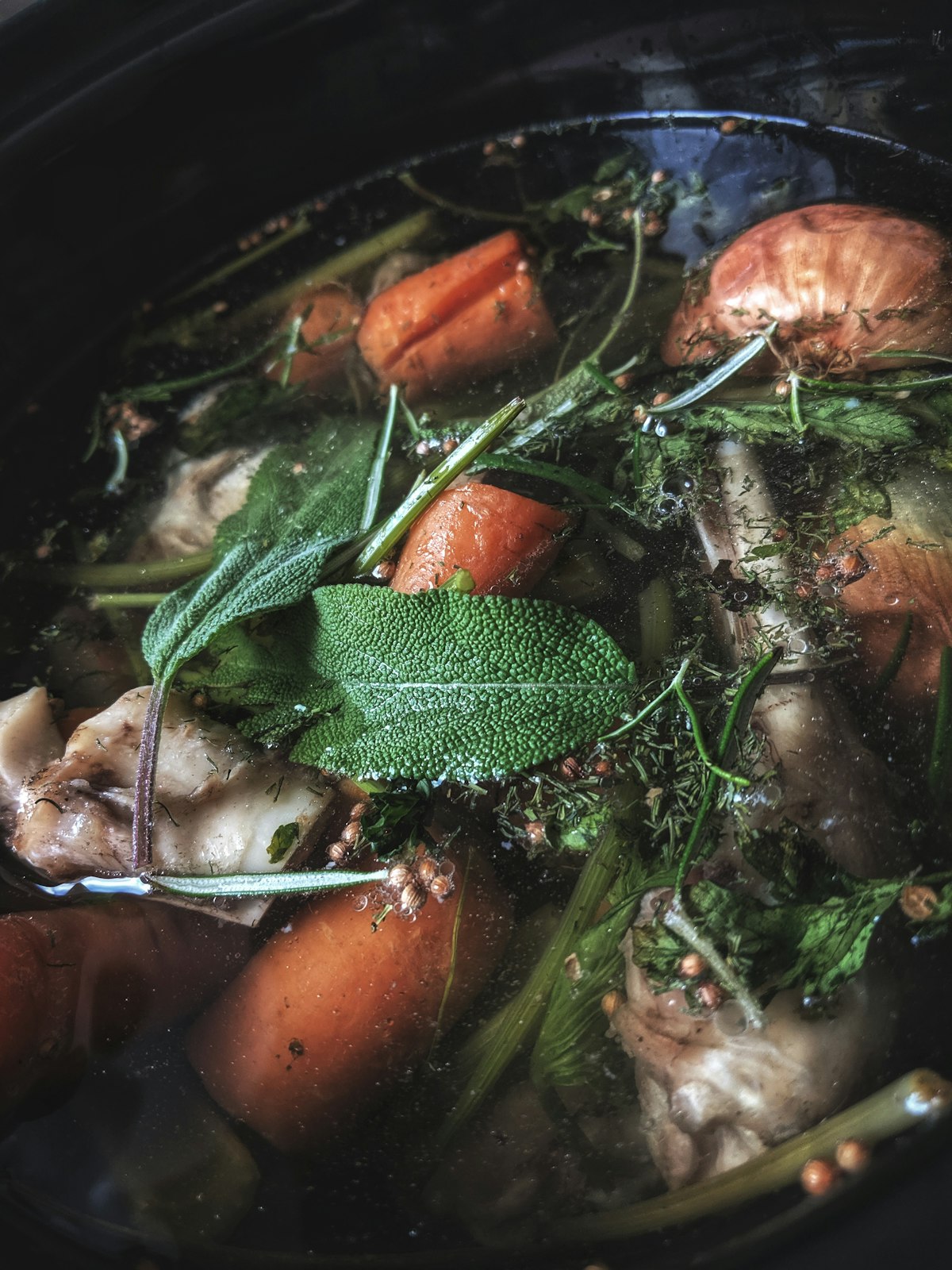
A slow cooker filled with stock, carrots, fresh herbs and chicken pieces

Recipe 11 · DINNER

Slow Cooker BBQ Pulled Pork

Fifteen minutes of work, six hours of ignoring it, and four dinners out the other end for about £1.96 each.

  • Time15 min active, 6 hrs in the cooker
  • Serves4+
  • Cost~£1.96 a portion
  • Calories520
  • Protein45g
  • Carbs30g
  • Fat24g

Ingredients

Pork shoulder
1kg
Passata
250g
Worcestershire sauce
3 tbsp
Mustard powder
1 tbsp
Garlic, crushed
2 cloves
Mixed frozen veg, to serve
500g

Method

  1. Pat the pork dry with kitchen roll. Wet meat steams instead of browning, and the browning is where the flavour comes from.
  2. Sear it hard in a hot frying pan on all sides until it has a proper dark crust.
  3. Move it to the slow cooker.
  4. Tip the passata, Worcestershire sauce, mustard powder and garlic into the hot frying pan and scrape everything off the bottom, then pour it over the pork.
  5. Lid on, low, six hours. Go to your lectures.
  6. Pull it apart with two forks. If it fights you it needs another hour. Boil the frozen veg for five minutes and serve alongside.

Why it works. Pork shoulder is cheap precisely because it is tough, and slow cooking turns all that connective tissue into gelatin. If your flat has a slow cooker between you, this is the single best value meat on the shelf.

Recipe 12 · DINNER

Creamy Veggie Sausage & Broccoli Penne

Four portions of proper comfort food. The sauce is a basic white sauce, which is a skill worth having for the rest of your life.

  • Time25 min
  • Serves4
  • CostLow
  • Calories480
  • Protein22g
  • Carbs65g
  • Fat16g

Ingredients

Vegetarian sausages
8
Penne
300g
Broccoli, small florets
300g
Onion, diced
1
Mushrooms, chopped
200g
Plain flour
40g
Butter
40g
Milk
600ml
Cheddar, grated
100g

Method

  1. Get the sausages cooking per the packet and the pasta on in well salted water, about twelve minutes.
  2. While those go, soften the onion, mushrooms and broccoli in a wide frying pan until everything has given up its bite.
  3. For the sauce: melt the butter in a separate pan, whisk in the flour and cook the paste for a minute.
  4. Add the milk a splash at a time, whisking constantly. Add it all at once and you get lumps, every time. Keep going until it is smooth and thick.
  5. Off the heat, stir the grated cheddar through until it melts.
  6. Slice the sausages, combine everything, fold it together and portion it into four tubs.

Why it works. Swapping to veggie sausages knocks a chunk off both the cost and the saturated fat, and honestly in a cheese sauce nobody can tell. The broccoli brings vitamin C and K, the sauce brings calcium.

Recipe 13 · DINNER

Hidden Veg Beef Bolognese

Grated carrot doubles the volume of the sauce for about 30p. Four portions, freezes perfectly.

  • Time40 min
  • Serves4
  • CostLow
  • Calories450
  • Protein32g
  • Carbs50g
  • Fat15g

Ingredients

Beef mince (5% or 10%)
500g
Chopped tomatoes
2 × 400g tins
Large carrots, finely grated
2
Large onion, diced
1
Garlic
2 cloves
Dried spaghetti
300g

Method

  1. Soften the diced onion and the grated carrot in a big pot until they lose their rigidity, about five minutes.
  2. Add the garlic and the mince, breaking the mince up with a wooden spoon as it browns. Keep at it until there is no pink left and the texture is fine rather than lumpy.
  3. Both tins of tomatoes in, then drop the heat right down.
  4. Simmer, uncovered, for at least twenty five minutes. This is not optional. It is the difference between a watery tomato sauce and an actual ragu.
  5. Boil the spaghetti, serve, and put three portions away.

Why it works. Beef mince brings haem iron, which your body absorbs far more easily than the plant kind, and that matters if you are running on four hours of sleep. Bulking it with grated carrot stretches the expensive ingredient and sneaks in fibre nobody notices.

Recipe 14 · DINNER

Coconut, Sweet Potato & Chickpea Curry

Entirely plant based, entirely from tins and one sweet potato, and it makes four.

  • Time35 min
  • Serves4
  • CostLow
  • Calories410
  • Protein12g
  • Carbs55g
  • Fat18g

Ingredients

Large sweet potato, peeled and cubed
1
Tinned chickpeas, drained
400g tin
Reduced fat coconut milk
400ml tin
Curry powder or paste
2 tbsp
Frozen spinach
1 large handful

Method

  1. Boil the cubed sweet potato for ten minutes to give it a head start, then drain.
  2. In a big pan, toast the curry powder in a little oil for exactly sixty seconds. Any longer and it turns bitter, any less and it tastes dusty.
  3. Pour in the coconut milk, which stops the spices cooking immediately.
  4. Add the chickpeas and the par-boiled sweet potato and simmer for fifteen minutes, until the sauce has thickened and the potato is soft all the way through.
  5. Stir the frozen spinach in for the last three minutes.

Why it works. Sweet potato has a gentler effect on blood sugar than white potato and comes loaded with vitamin A. The chickpeas give it the bulk it needs to work as an actual dinner rather than a side.

Recipe 15 · DINNER

Sausage, Bean & Root Veg Casserole

About 91p a portion, one pot, and the washing up is a single dish. Winter food.

  • Time45 min
  • Serves4
  • Cost~91p a portion
  • Calories460
  • Protein24g
  • Carbs45g
  • Fat20g

Ingredients

Sausages (pork or plant based)
6
Cannellini or baked beans
400g tin
Chopped tomatoes
400g tin
Carrots, peeled and chopped
2
Parsnip, peeled and chopped
1
Beef or vegetable stock cube
1

Method

  1. Brown the sausages all over in a big casserole pot or deep pan, then take them out and cut them into thick chunks.
  2. Straight into the same pan with the chopped root veg. They fry in the fat the sausages left behind, which is the entire point of doing it in this order. Five minutes.
  3. Sausages back in, then the tomatoes, the beans (juice and all) and the crumbled stock cube.
  4. Bring it to a boil, drop it to a simmer, lid on.
  5. Thirty minutes, undisturbed, until a fork goes through the carrot with no resistance.

Why it works. Root veg is the cheapest thing in the shop and barely moves in price over winter. The beans add soluble fibre, which is what makes this sit with you all evening instead of leaving you raiding the cupboard at eleven.

Fakeaways · Recipes 16-20

Friday night fakeaways for under a quid

Nobody sticks to a plan that bans Friday night. The point is not to never have a takeaway, it is to have the option of something just as good for about a tenth of the price when the group chat starts.

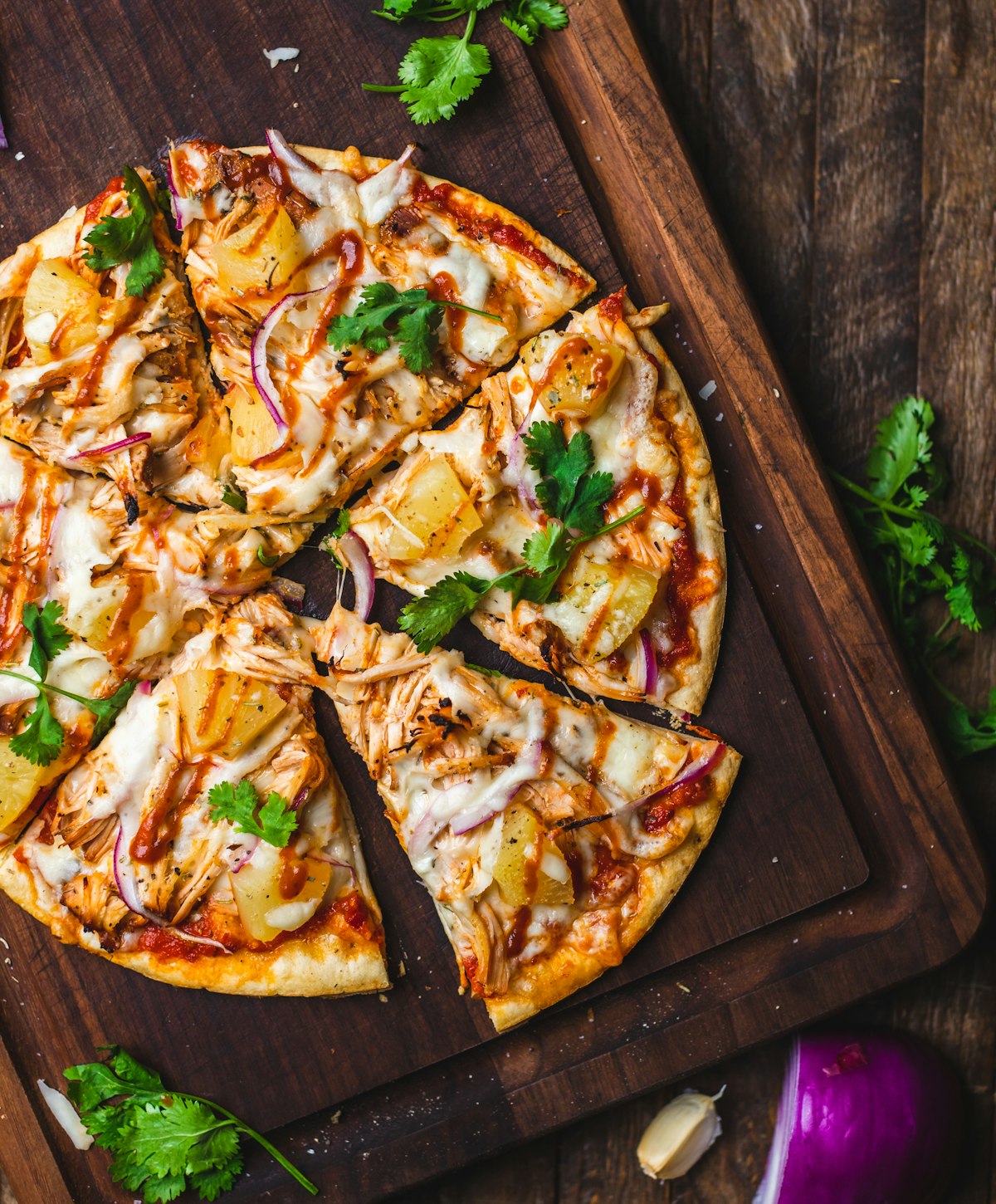
A thin-crust pizza sliced into wedges on a wooden board

Recipe 16 · FAKEAWAY

Thin Base Tortilla Pizza

Eight minutes from cupboard to plate. Genuinely crispy, genuinely about 60p.

  • Time10 min
  • Serves1
  • CostUltra-low
  • Calories320
  • Protein15g
  • Carbs30g
  • Fat16g

Ingredients

Large flour tortilla
1
Passata or tomato puree
3 tbsp
Mozzarella, grated or torn
50g
Dried oregano
Pinch

Method

  1. Get the oven properly hot, at least 200C. An underheated oven gives you a floppy sad pizza.
  2. Tortilla flat on a metal baking tray. Metal, not a plate, because you want the heat conducting into the base.
  3. Spread the passata thinly, leaving a centimetre clear around the edge so you get a crust.
  4. Cheese on, oregano over the top.
  5. Five to eight minutes. It is done when the bare edges have gone dark brown and rigid and the cheese is bubbling.

Why it works. A takeaway pizza is roughly ten times the price and carries a startling amount of salt and saturated fat with it. Using a tortilla as the base cuts the carbs right down and puts you in charge of how much cheese goes on.

Recipe 17 · FAKEAWAY

Sweet and Sour Chicken with Rice

The sauce is four things you already have. Twenty minutes, and it tastes like the real thing.

  • Time20 min
  • Serves1
  • CostModerate
  • Calories480
  • Protein35g
  • Carbs65g
  • Fat8g

Ingredients

Chicken breast, diced
150g
Bell pepper, chopped
1
Ketchup
2 tbsp
Soy sauce
1 tbsp
Vinegar
1 tbsp
Sugar
1 tsp
Dry white rice
75g

Method

  1. Cook the rice per the packet and set it aside. If you are cooking extra to keep, read the rice rule below first, it genuinely matters.
  2. Whisk the ketchup, soy, vinegar and sugar together in a bowl.
  3. Get a pan as hot as it goes, then stir fry the diced chicken until it is opaque and going golden at the edges.
  4. Chuck the pepper in for exactly two minutes. Any longer and it goes limp, and the crunch is half the appeal.
  5. Pour the sauce over. It will bubble hard and reduce to a sticky glaze in about sixty seconds. Serve straight away over the rice.

Why it works. This is the fakeaway that most convincingly replaces an actual order, and the sauce costs pennies because it is store cupboard stuff you already own.

Recipe 18 · FAKEAWAY

High Fibre Beef Chilli

£1.23 a portion, makes four, and it is better the next day. The kidney beans are doing more than bulking it out.

  • Time40 min
  • Serves4
  • Cost~£1.23 a portion
  • Calories470
  • Protein36g
  • Carbs40g
  • Fat16g

Ingredients

Beef mince
250g
Chopped tomatoes
400g tin
Red kidney beans, drained
400g tin
Onion, diced
1
Chilli powder
1 tbsp, to taste

Method

  1. Soften the diced onion in a big pan over a medium heat.
  2. Add the mince and keep moving it until it is browned all over, then throw the chilli powder in and stir it through the fat for a minute.
  3. Tomatoes and drained kidney beans in.
  4. Bring it to a gentle boil, then turn it down and leave it uncovered for twenty five minutes. Uncovered is important: the water needs to evaporate or you get chilli soup.
  5. Serve with rice, a dollop of yoghurt, or scooped up with tortilla wedges.

Why it works. Half the beef of a normal chilli, none of the difference, because the beans take up the slack. Fibre is the nutrient most student diets are genuinely short on, and a tin of kidney beans fixes a lot of that for about 50p.

Recipe 19 · FAKEAWAY

Turkey Burgers with Sweet Potato Wedges

Better than the drive through, and the wedges roast while the burger cooks, so it is all done in half an hour.

  • Time30 min
  • Serves1
  • CostModerate
  • Calories510
  • Protein40g
  • Carbs55g
  • Fat12g

Ingredients

Turkey mince
150g
Wholemeal burger bun
1
Medium sweet potato, thickly sliced
1
Paprika
1 tsp
Lettuce and tomato
Handful

Method

  1. Oven to 200C.
  2. Toss the sweet potato wedges in a small amount of oil and the paprika, then spread them out on a tray with space between them. Crowded wedges steam instead of crisping.
  3. Roast for twenty five minutes.
  4. Meanwhile, season the turkey mince well and squash it into a firm patty with your hands. Firm, or it falls apart in the pan.
  5. Fry over a medium heat for five to six minutes a side. Turkey needs to be cooked through with no pink at all, so cut into it and check before you commit.
  6. Build the burger, serve with the wedges.

Why it works. Turkey mince has noticeably less saturated fat than beef for a similar price. Roasting the wedges instead of frying chips saves you both the calories and the pan of hot oil you would then have to deal with.

Recipe 20 · FAKEAWAY

Chicken & Broccoli Stir Fry

Fifteen minutes, one pan, and the veg keeps its crunch. The fastest real dinner on this list.

  • Time15 min
  • Serves1
  • CostLow
  • Calories460
  • Protein32g
  • Carbs60g
  • Fat10g

Ingredients

Chicken breast, thinly sliced
150g
Dried egg noodles
1 nest
Broccoli florets
100g
Dark soy sauce
2 tbsp
Garlic, minced
1 clove
Cooking oil
Dash

Method

  1. Sit the noodle nest in a bowl of boiling water for four minutes, then drain.
  2. Get the oil in a wok or your biggest frying pan and heat it until it is just about smoking. Stir fries fail when the pan is not hot enough.
  3. Chicken in, moving constantly, three minutes until it is white through.
  4. Broccoli and garlic in for another two minutes. The broccoli should still squeak.
  5. Noodles and soy sauce in, toss everything until it is coated and hot, and eat immediately.

Why it works. Blasting broccoli for two minutes keeps the water soluble vitamins that boiling it for ten would pour down the sink. Fast, hot and brief is genuinely the better way to cook green veg.

Pantry meals · Recipes 21-25

End of week: five meals from an empty-looking cupboard

Thursday, the fridge is a joke and payday is Friday. These five are built from tins, dried goods and whatever is left in the crisper drawer. None of them need a shop.

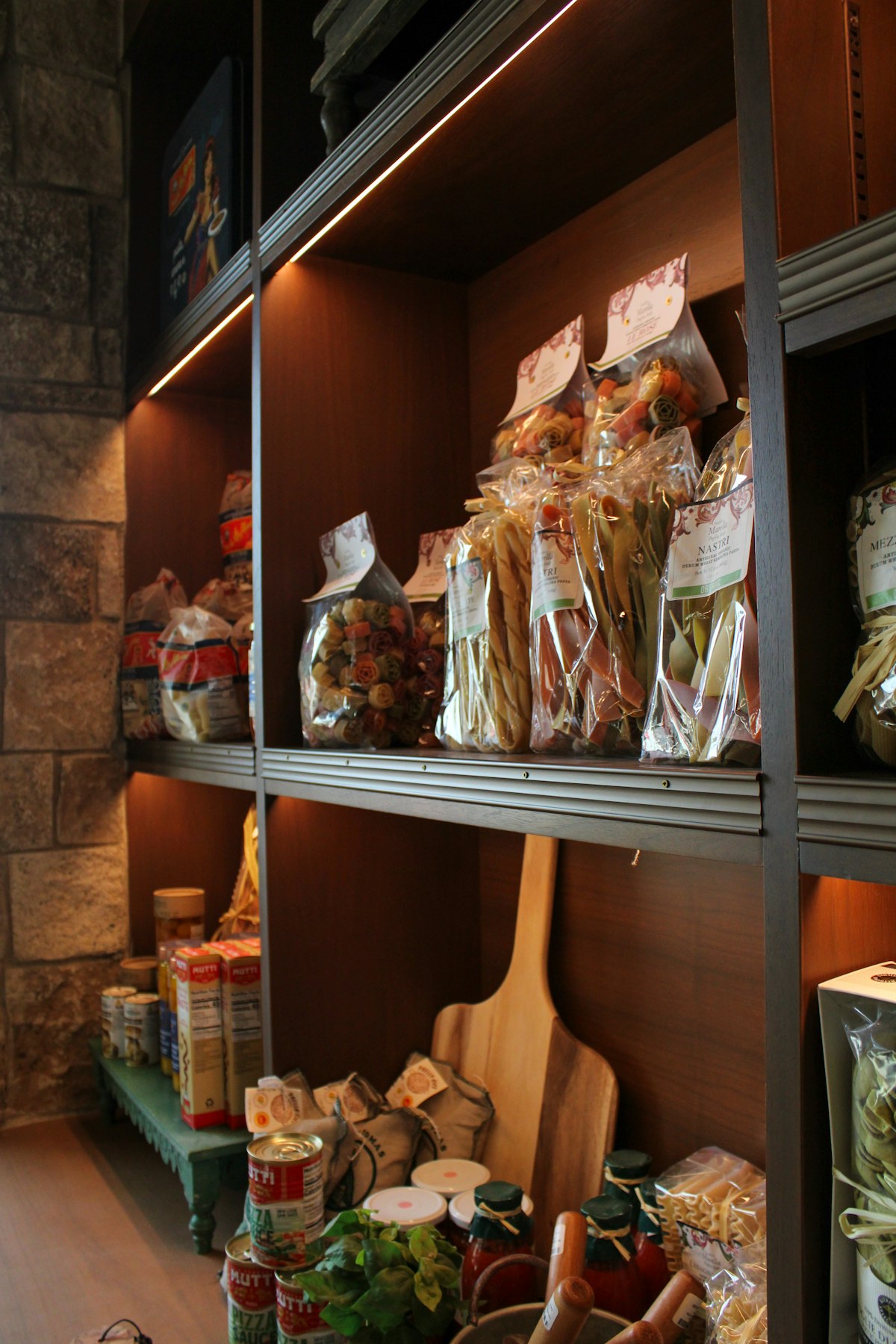
Shelves stocked with bags of dried pasta, tinned goods and jars

Recipe 21 · PANTRY

Frozen Pea & Cheddar Macaroni

Mac and cheese with something green in it. Twenty minutes, all from the cupboard and freezer.

  • Time20 min
  • Serves1 large
  • CostUltra-low
  • Calories550
  • Protein22g
  • Carbs60g
  • Fat24g

Ingredients

Dried macaroni
100g
Frozen peas
75g
Butter
20g
Plain flour
20g
Milk
200ml
Mature cheddar, grated
50g

Method

  1. Macaroni into well salted boiling water.
  2. Two minutes before the pasta is done, tip the frozen peas straight into the same pan. One pan, no extra washing up.
  3. Meanwhile melt the butter in another pan, stir the flour in and cook the paste for a minute to get rid of the raw flour taste.
  4. Add the milk gradually, whisking as you go, until it is smooth and thick.
  5. Take it off the heat and stir the cheddar in until it melts.
  6. Drain the pasta and peas, fold them through the sauce.

Why it works. Mac and cheese on its own is a lot of fat and refined carbs and not much else. A handful of frozen peas is about 8p and turns it into something with vitamin C and a bit of plant protein in it.

Recipe 22 · PANTRY

Spicy Tomato, Garlic & Cannellini Stew

Two tins, two cloves of garlic, fifteen minutes. The meal for when the fridge is genuinely empty.

  • Time15 min
  • Serves1 large
  • CostUltra-low
  • Calories310
  • Protein15g
  • Carbs45g
  • Fat6g

Ingredients

Cannellini or butter beans, drained
400g tin
Chopped tomatoes
400g tin
Garlic, finely sliced
2 cloves
Chilli flakes
1 tsp
Thick slice of bread, to serve
1

Method

  1. Gently fry the sliced garlic and chilli flakes in a splash of oil. Sixty seconds maximum. Burnt garlic is bitter and there is no rescuing it.
  2. Tip in the tomatoes and the drained beans.
  3. Bring it to a proper bubbling simmer and leave it for ten minutes. The beans take on the garlic and chilli while the sauce reduces and thickens.
  4. Into a bowl, with toast for dipping.

Why it works. Cannellini beans are cheap, filling and full of fibre, and a tin of tomatoes cooked down hard is a surprisingly good source of lycopene. This is the recipe to remember on the Thursday before payday.

Recipe 23 · PANTRY

The Fridge Raid Frittata

Whatever is left in the crisper drawer, suspended in egg. The most useful recipe on this page.

  • Time15 min
  • Serves1 large
  • CostUltra-low
  • Calories340
  • Protein20g
  • Carbs15g
  • Fat22g

Ingredients

Large eggs
3
Leftover veg (peppers, potatoes, whatever)
150g
Grated cheese (optional)
20g
Salt and pepper
Good pinch

Method

  1. Chop whatever veg you found. It does not need to be neat.
  2. If it is raw, like onion or pepper, fry it in a non-stick pan until it softens. If it is already cooked, like leftover potatoes, just warm it through.
  3. Whisk the eggs in a bowl with plenty of salt and pepper and pour them over the veg.
  4. Drop the heat to medium-low and leave it completely alone. Poking it is what makes frittatas scrambled eggs.
  5. Once the edges have set and the base is golden, scatter the cheese over and put the pan under a hot grill for three minutes to set the top.

Why it works. This is the one that actually saves you money, because it turns food you were about to bin into dinner. If your pan handle is plastic, cover it with foil before it goes under the grill.

Recipe 24 · PANTRY

Peanut Butter & Soy Noodles

Four store cupboard ingredients, ten minutes, and about 490 calories of pure energy. Exam week food.

  • Time10 min
  • Serves1
  • CostUltra-low
  • Calories490
  • Protein16g
  • Carbs65g
  • Fat18g

Ingredients

Dried noodles (egg or rice)
1 nest
Smooth peanut butter
2 tbsp
Soy sauce
1 tbsp
Sugar or honey
1 tsp
Hot starchy noodle water
Splash

Method

  1. Boil the noodles per the packet, but do not drain them yet.
  2. While they cook, whisk the peanut butter, soy sauce and sugar together in the bowl you are going to eat out of.
  3. Steal a splash of the hot, starchy noodle water and beat it into the peanut butter. This is the whole recipe: the hot water thins the peanut butter into an actual sauce instead of a solid lump.
  4. Drain the noodles, tip them in, and toss until every strand is coated.

Why it works. When the fresh food has run out and you still need to get through a 9am, this is dense, fast energy from things that live in a cupboard indefinitely.

Recipe 25 · PANTRY

Potato, Onion & Cheddar Rösti

About 68p, made from two potatoes and half an onion. Crisp outside, soft middle, absurdly satisfying.

  • Time20 min
  • Serves1 large
  • Cost~68p a portion
  • Calories380
  • Protein12g
  • Carbs45g
  • Fat18g

Ingredients

Medium potatoes, peeled
2
White onion
½
Cheddar, grated
40g
Cooking oil
1 tbsp

Method

  1. Grate the potatoes and the onion on the coarse side of a box grater.
  2. Pile the lot into the middle of a clean tea towel, gather it into a bundle, and wring it out over the sink as hard as you physically can. This is the entire recipe. Water left in the potato gives you a soggy mess instead of a crisp rösti.
  3. Mix the squeezed potato with the cheese and plenty of seasoning.
  4. Heat the oil in a pan over a medium heat, tip the mixture in, and press it down flat and hard with a spatula to compact it into one disc.
  5. Eight to ten minutes until the base is deep golden and holds together, then flip it and do the same on the other side.

Why it works. Potatoes and onions are the cheapest things in any UK supermarket by a distance. This turns about 40p of root veg into something that genuinely fills you up.

The rice rule, which is the one bit of food safety worth memorising

If you take one piece of kitchen safety from this page, make it this one, because it is the one that most reliably ruins a week of lectures.

Uncooked rice carries spores of a bacterium called Bacillus cereus, and those spores survive boiling. If cooked rice then sits out at room temperature cooling slowly, the spores wake up, multiply, and produce a toxin that reheating will not destroy. That is why the food poisoning people associate with reheated rice is really about how the rice was cooled, not how it was reheated.

  1. Boiling doesn't kill it

    Uncooked rice carries Bacillus cereus spores, and they survive the pan. So the risk starts the moment the rice comes off the heat, not when you reheat it.

  2. Cool it inside an hour

    Spread it thin on a tray, or sit the container in a sink of cold water. Left to cool slowly on the hob, the spores wake up and multiply.

  3. Fridge it, eat within 24 hours

    Below 5°C, and one day only. Rice is the one leftover where the usual two-day rule does not apply.

  4. Reheat once, until steaming

    Steaming hot the whole way through, once. The toxin the bacteria produce is not destroyed by reheating, so a second go around does not make it safe.

Short version: cool it fast, fridge it, eat it within a day, reheat it once. If you left it out on the side all evening, bin it. It is a bag of rice, not a write-off.

The same cool-fast principle applies to every batch you cook on this page. Get it into the fridge within an hour or two, eat it within two days, or freeze it. Our zero-waste leftovers guide goes through the rest of the storage and reheating rules properly, including what freezes well and what really does not.

Two things that pair with this page: how to eat well at uni on £25 a week covers which supermarket is genuinely cheapest in 2026 and what a full week's shop looks like, and if you want to see what your own flat is quietly throwing away, try our food waste calculator.

How FoodieFlow Helps

The hard part is not the cooking, it is deciding

Ask anyone who has ordered a takeaway while there was perfectly good food in the fridge. The problem is rarely that you cannot cook. It is that at six in the evening, after a full day of lectures, working out what you have, what it makes and what you still need to buy is one decision too many. That is the gap FoodieFlow was built to close.

  • Save any recipe on this page, or anywhere else. Paste a link, or pull a recipe straight out of a TikTok or Instagram video, and it lands in your recipe box as a proper structured recipe with ingredients and steps.
  • Plan the week around what you already own. Log what is in your cupboard and Foodie Assistant suggests meals that use it up, rather than sending you shopping for things you have three of.
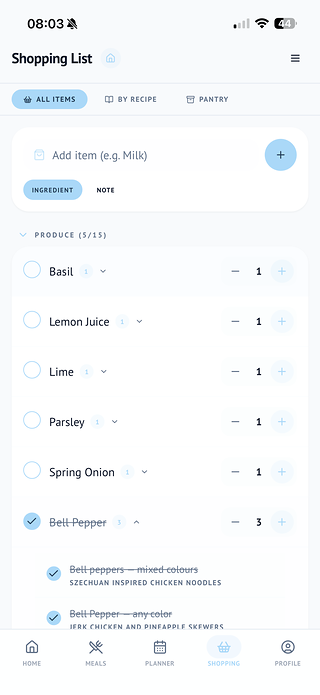
  • Get an aisle-sorted shopping list automatically. Anything already in your pantry gets left off, so the list is only what you actually need.
  • Share the whole thing with your flat. Household mode syncs one plan, one pantry and one list across everyone's phones, which makes splitting a shop four ways considerably less of an argument.
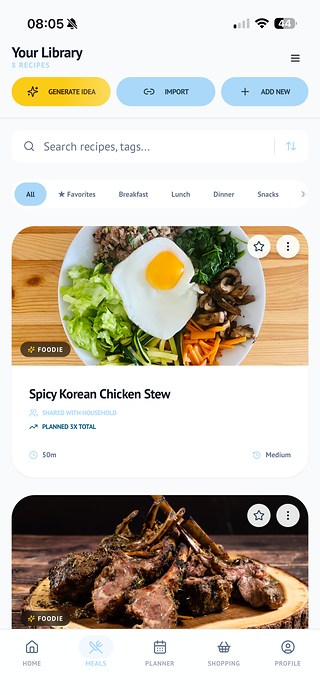
FoodieFlow's meal library showing saved recipes ready to drop into a weekly plan
FoodieFlow's aisle-sorted shopping list with pantry items excluded automatically

Free to start, with a weekly cap on assistant-generated plans. No card needed.

Frequently asked questions

How much should a student spend on food per week in the UK?

Most students land somewhere between £25 and £50 a week, which is roughly £150 to £200 a month, or about 15% to 20% of a typical student budget. Shopping at Aldi or Lidl, buying own-label and cooking most meals from scratch can pull that down towards £25 a week without eating badly.

What should I cook in my first week at uni if I have never cooked before?

Start with the beans and eggs on toast, the apple and cinnamon porridge, and the black bean quesadillas. None of them need more than one pan, none of them can really be ruined, and between them they cover breakfast, lunch and a hot meal. Once those feel automatic, the red lentil soup is the natural next step because it teaches you batch cooking.

Is it cheaper to batch cook or to cook each meal fresh?

Batch cooking, almost always. Buying a 500g pack of mince and turning it into four portions costs far less per meal than buying a single portion, and tinned or dried staples like lentils, beans and pasta are cheapest in the larger sizes. The bigger saving is behavioural though: when there is a portion in the fridge, you do not order a takeaway.

Can I reheat rice, or is that actually dangerous?

You can, but the rules are strict and worth following. Uncooked rice carries Bacillus cereus spores that survive boiling. Cool cooked rice within an hour by spreading it on a tray, refrigerate it, use it within 24 hours, and reheat it once until it is steaming hot all the way through. Never reheat the same rice twice.

How do I cook cheaply in a shared kitchen with no space?

Lean on the recipes that use one pan and no oven: the couscous, the quesadillas, the stir fry, the bean stew. Keep your own small set of staples rather than relying on a shared shelf, and batch cook when the kitchen is quiet, usually mid-afternoon, rather than fighting for a hob at six.

Costs and macros on this page are estimates based on own-label supermarket prices at the time of writing and will vary by brand, retailer and portion size. Nutrition information is general guidance, not personalised dietary advice. If you have a medical condition, an allergy or specific dietary needs, speak to a GP or a registered dietitian.

Stop deciding what's for dinner every night

Save the recipes you'll actually cook, plan the week around what's already in the cupboard, and get the shopping list built for you. Free to start.

Free to download. No card required.

A

Arthur

Founder, FoodieFlow

Arthur is a 4th-year Mechanical Engineering student who works in the field alongside his degree. He built FoodieFlow with his partner in mind, to solve their household's biggest recurring argument: what's actually for dinner.