Shopping & Prep
Food is one of the only big costs at uni you have real control over. Rent is fixed, your course fees are fixed, the bus pass is what it is. But the gap between a badly run food budget and a well run one is about £80 a month, every month, for three years.
Food typically eats 15% to 20% of a student budget, which lands most people somewhere around £150 to £200 a month. With a different supermarket and a slightly different approach to shopping, the same amount of food comes in nearer £80 to £100. Nothing in here involves eating worse. Most of it involves eating better, because the cheap end of the shop is mostly pulses, oats, frozen veg and root vegetables.
Here is where the money actually goes, and what to do about it.
This is the single biggest lever you have, and it is a one-off decision rather than something you have to keep doing. Basket tracking through mid-2026 has Aldi as the cheapest supermarket in the UK, with Lidl a pound or two behind, and a gap to the big four that loyalty pricing does not close.
Bars start at zero, so the visual gap is the real gap. The discounters are highlighted.
Tracked June 2026. Tesco and Sainsbury's figures already include Clubcard and Nectar pricing. Full figures, loyalty schemes and the gap to Aldi are in the table below.
| Supermarket | 95-item basket | Loyalty scheme applied | vs Aldi |
|---|---|---|---|
| Aldi | £163.34 | None | Baseline |
| Lidl | £164.79 | Lidl Plus | +£1.45 |
| Asda | £190.39 | None | +£27.05 |
| Sainsbury's | £193.30 | Nectar Card | +£29.96 |
| Tesco | £194.67 | Tesco Clubcard | +£31.33 |
| Waitrose | £229.88 | None | +£66.54 |
Basket prices tracked June 2026 and quoted from published 2026 supermarket comparisons. Prices move constantly, so treat the ranking as the durable bit and the exact figures as a snapshot. Which? publishes an updated comparison every month.
Two practical notes. First, Tesco and Sainsbury's figures above already assume you have a Clubcard or Nectar card, so the gap is not something you can close by signing up for things. Second, if there is no Aldi or Lidl near you, Asda has the lowest base prices of the big four, which makes it the one worth using for an online delivery split between housemates.
A realistic target: do your bulk shop at a discounter once a week or once a fortnight, and treat the expensive local supermarket as a top-up shop for milk and bread only.
Based on the basket gaps above. It assumes you move your bulk shop to Aldi and keep spending on the same sort of food.
A rough guide, not a promise. It scales the June 2026 basket gap to your own spend, and assumes you buy comparable things.
Supermarket own-label tins, pasta, rice, oats and frozen veg are frequently made in the same factories as the branded versions and cost a fraction of the price. The handful of things worth paying up for are the ones where you will genuinely taste the difference, which for most people is cheese, coffee and not much else.
Every store reduces short-dated stock to clear, and the deepest reductions are usually in the last hour or two before closing, often between 8pm and 9pm. Meat and fish are where the savings are dramatic, and the rule is simple: whatever you buy reduced goes straight in the freezer when you get home, not in the fridge for a "maybe tomorrow" that never comes.
This is the one people resist and it is the one that saves the most. Frozen vegetables are picked and frozen within hours, which locks in nutrients that fresh produce loses over days in transit and on a shelf. Frozen veg is usually cheaper per kilo, it does not wilt in the bottom of your fridge, and you can take out exactly what you need.
The same goes for frozen berries, which are a fraction of the price of fresh and last for months.
Fresh meat is where a student budget goes to die. Lentils, chickpeas, black beans and kidney beans are cheap, shelf stable for years, and bring fibre along with the protein. Use meat as something that stretches through a batch rather than the centre of every meal: 250g of mince makes four portions of chilli when a tin of kidney beans does half the work.
One small thing worth knowing if you go heavily plant-based: tea and coffee contain tannins that block iron absorption, so it is worth leaving a gap between a lentil-heavy meal and your next brew.
Cheap and healthy are not opposites, but they do come apart if you are not paying attention. The British Nutrition Foundation's guidance for students is the sensible baseline, and it maps onto a tight budget surprisingly well.
The Eatwell Guide proportions, as a share of what you eat across a day rather than on every single plate.
Source: the Eatwell Guide, GOV.UK. Foods high in fat, salt and sugar sit outside the guide rather than in it.
The British Nutrition Foundation puts the daily ceiling at 400mg. Counting roughly 100mg for a cup of instant coffee and 160mg for a large energy drink.
Caffeine content varies a lot by brand and by how strong you make it, so treat this as a ballpark. Energy drinks also stack a lot of free sugar on top, which is its own problem.
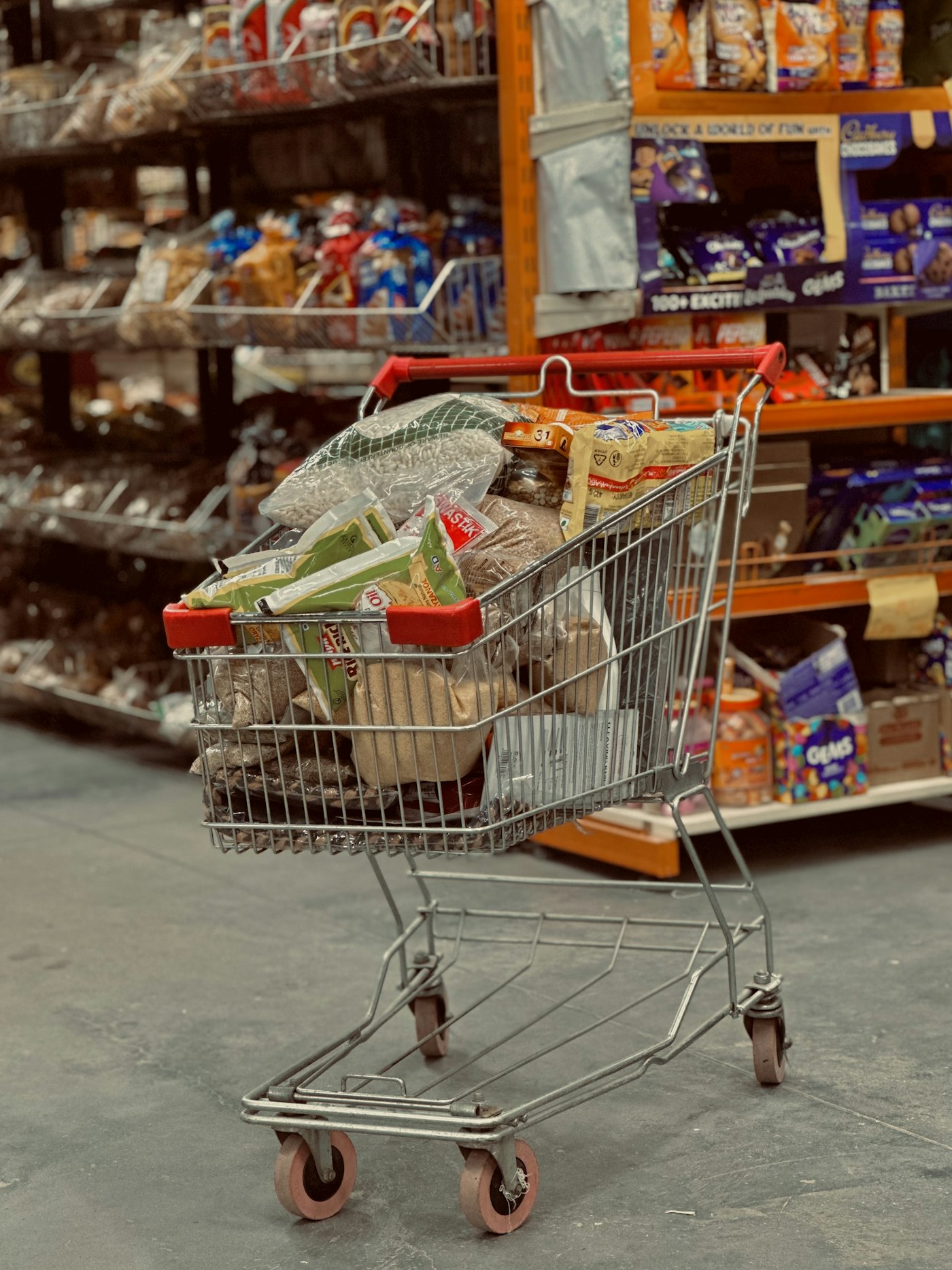
Here is what that looks like in a trolley. This is one person's shop for a week at a discounter, and it covers breakfast every day, lunch most days, and five dinners with leftovers.
That is roughly 20 meals, so about £1.25 each. What it turns into:
Spices, oil, soy sauce and stock cubes are not in that total because they are a one-off purchase of about £6 that lasts most of a term. Every recipe mentioned above is written out properly, with costs and methods, in the 25 cheap student meals guide.
Prices are estimates based on own-label products at discount supermarkets in September 2026 and will vary by store, region and week. Nutrition information here is general guidance, not personalised dietary advice.
Two things worth reading next: 25 cheap student meals turns this budget into actual dinners, and the five-minute Sunday pantry reset is the habit that stops the food you just bought from going in the bin. If you want to see what your flat is quietly throwing away, our food waste calculator will tell you.
How FoodieFlow Helps
Almost nobody overspends on the big shop. They overspend on the fourth trip to the corner shop that week, and on buying a jar of paprika they already own. A list built from what you actually have left fixes both.
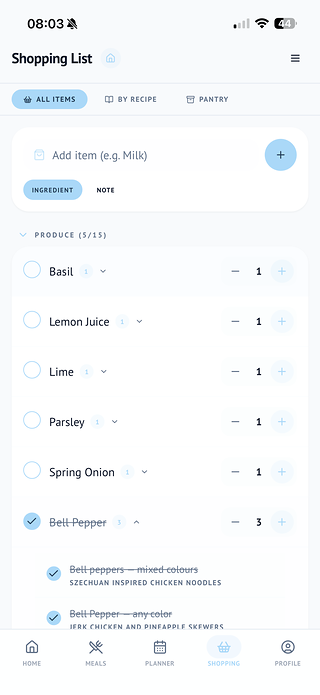
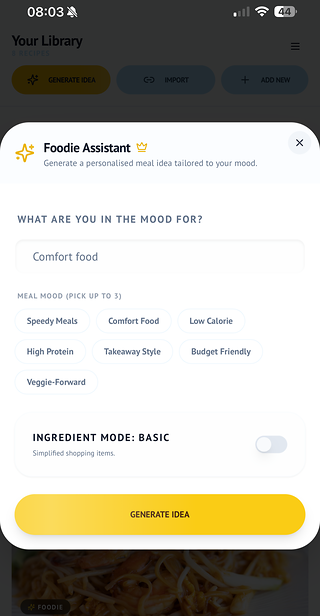
Free to start, with a weekly cap on assistant-generated plans. No card needed.
Aldi, with Lidl consistently within a pound or two of it. On a tracked 95-item basket in June 2026 Aldi came in at £163.34 against £194.67 at Tesco and £229.88 at Waitrose, and that Tesco figure already includes Clubcard pricing. Of the big four, Asda is usually the cheapest base price, which matters if you are splitting an online delivery with housemates.
Food is typically 15% to 20% of a student budget, which works out at roughly £150 to £200 a month. Switching your main shop to a discounter, buying own-label and cooking most meals at home can bring that down to around £80 to £100 a month without eating worse.
Often it is better. Vegetables are frozen within hours of being picked, which locks in nutrients that degrade over the days fresh produce spends in transit and on a shelf. Frozen veg also does not rot in your fridge while you forget about it, which is the bigger practical win.
It varies by store, but the biggest reductions are usually in the last hour or two before closing, often between 8pm and 9pm. Smaller markdowns tend to appear earlier in the afternoon. If you find reduced meat or fish, freeze it the moment you get home rather than leaving it in the fridge.
The British Nutrition Foundation advises capping caffeine at 400mg a day, which is roughly four cups of instant coffee. Energy drinks stack caffeine with a lot of free sugar, and the combination is linked to disrupted sleep, raised blood pressure and higher anxiety, which is the opposite of what you want in exam season.
Plan the week around what's already in the cupboard, get the shopping list built for you, and split the whole thing with your flat. Free to start.
Free to download. No card required.